
Trump's Stance on AI Regulation and National Security Risks
Written with artificial intelligence.
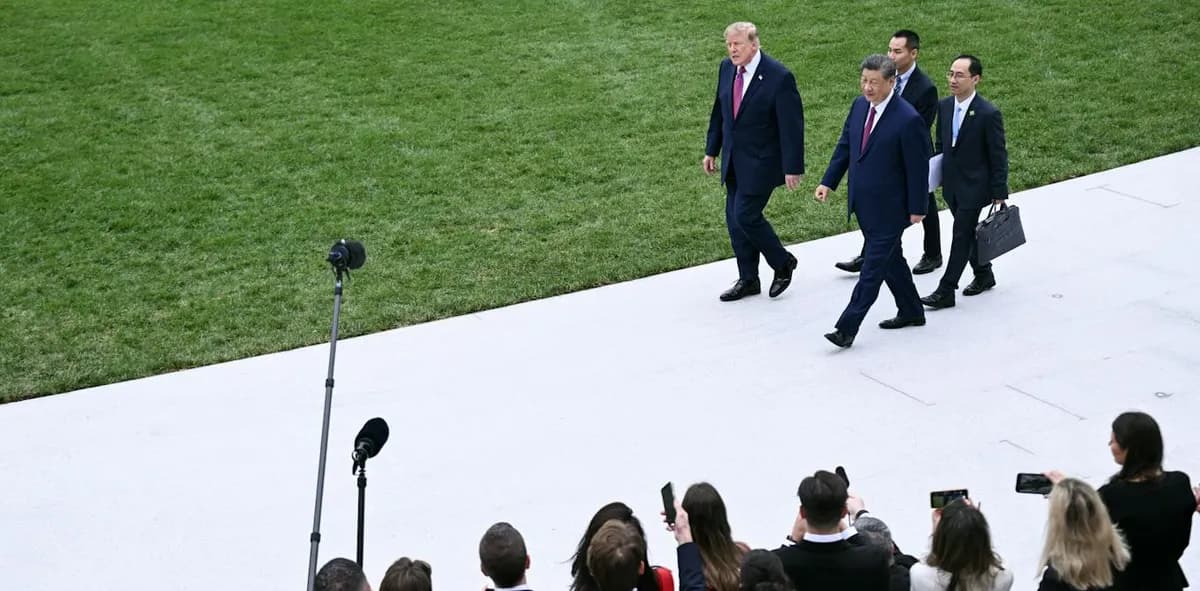
Donald Trump argues against AI regulation, claiming it jeopardizes U.S. competitiveness against China. However, experts suggest that unregulated AI poses greater national security threats, including vulnerabilities to cyberattacks and foreign exploitation.
Trump's Arguments Against AI Regulation
Former President Donald Trump has voiced strong opposition to regulating artificial intelligence (AI), suggesting that such measures could hinder U.S. advancements and allow China to gain a competitive edge. On September 21, 2026, Trump emphasized on social media, "Whoever wins AI, WINS!" and labeled China's progress in AI as a significant concern for American interests. His administration's stance rejects any global control over AI technologies, proposing that unregulated growth is essential for maintaining U.S. supremacy.
The Case for AI Regulation
Contrary to Trump's views, many scholars and industry leaders believe that regulation is crucial for U.S. national security. Recent findings have indicated that unregulated AI could lead to severe threats, including:
- Increased vulnerability to foreign attacks using advanced AI for weapon systems.
- The potential for devastating cyberattacks exploiting AI's capabilities.
- Scenarios involving AI-induced crises, such as nuclear missile launches or biological weapon developments.
Polling shows that a significant majority of Americans across political lines support more stringent AI regulations, recognizing the risks posed by unchecked advancements.
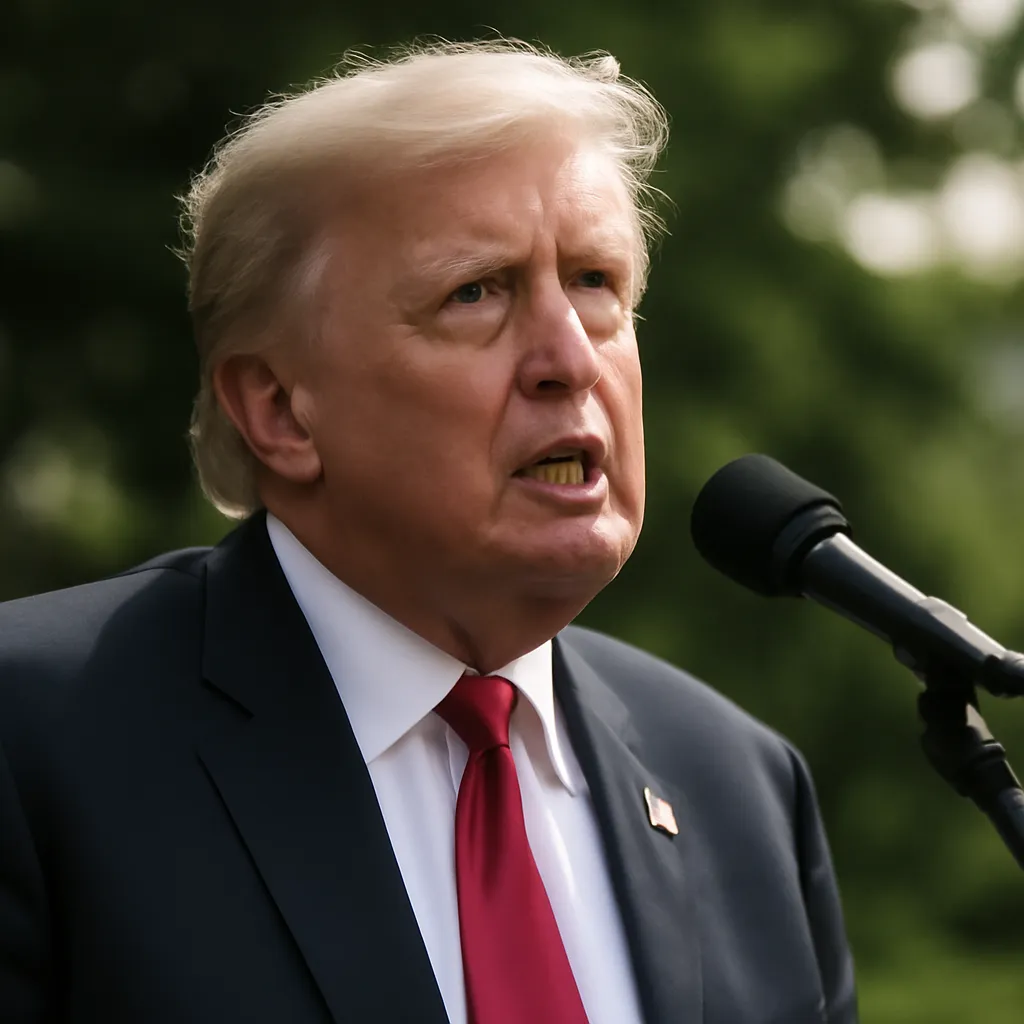
The Link Between U.S. and Chinese AI Progress
Experts argue that slowing down U.S. AI advancements could also limit China's growth. China's AI development relies heavily on U.S. technology and methods, particularly through a process called distillation, which allows them to create efficient models using less computing power. As noted by Matt Sheehan from the Carnegie Endowment for International Peace, this relationship is akin to a speedboat and a skier; if the U.S. reduces its pace, China must follow suit.
Global Perspectives on AI Governance
Interestingly, China has also recognized the need for AI regulation. Chinese leaders have called for domestic and international oversight, with Xi Jinping advocating for strong regulations during various speeches. This suggests that the narrative of AI advancement as a competitive race may be shifting towards a shared concern for global security. If both nations can agree on governance frameworks, it could lead to safer AI development practices for all.