
Interaction Offers Free Checklist for Age-Inclusive Office Design
Written with artificial intelligence.
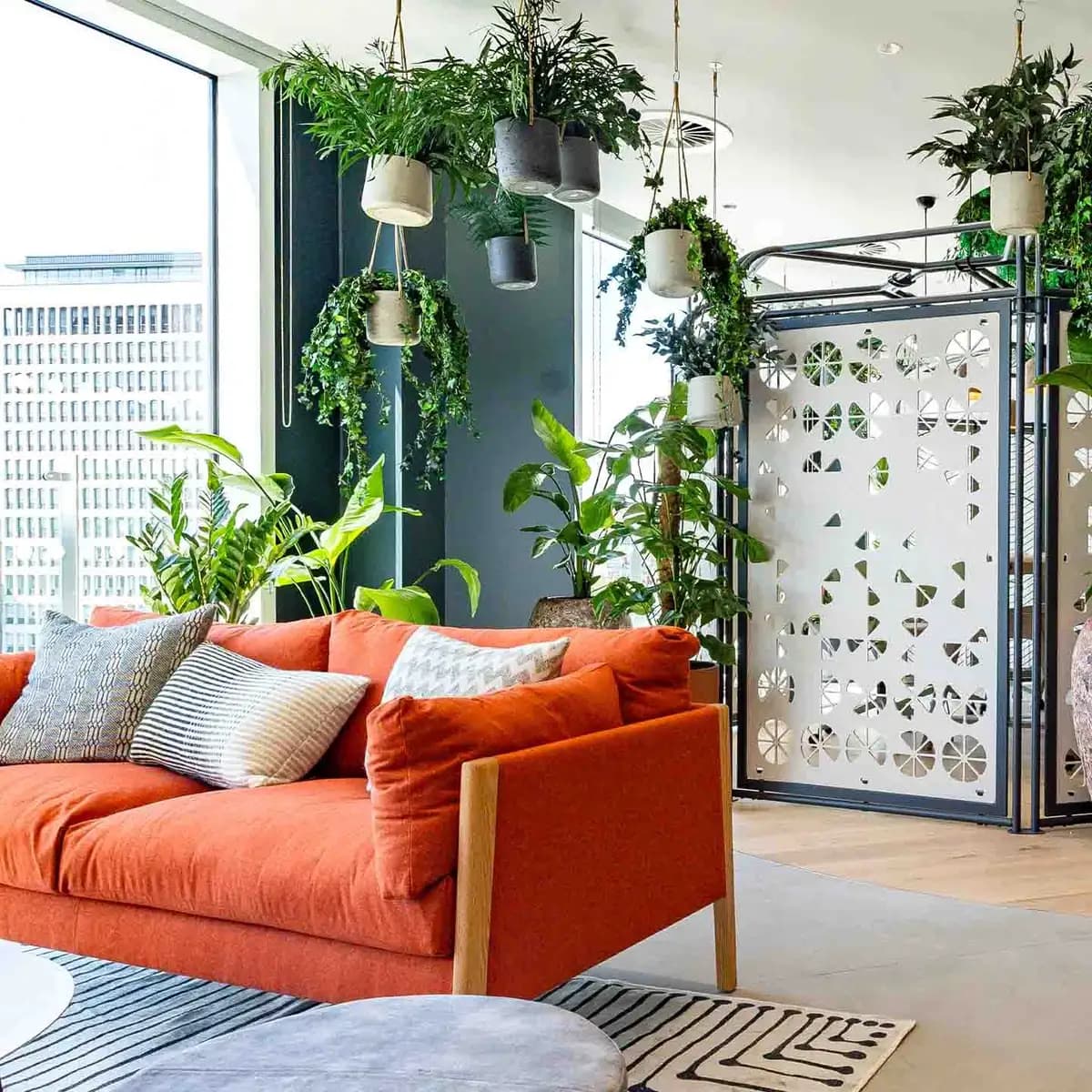
Design firm Interaction has launched a free checklist to help UK offices become more accommodating for an ageing workforce. The checklist addresses various design elements, including door hardware, meeting room technology, and lighting, aiming to bridge the gap in office design for employees aged 50 and over.
Introduction
Interaction, a design and build firm, has introduced a free accessible fit-out checklist specifically aimed at landlords and employers in the UK. This initiative highlights a crucial oversight in office design concerning the needs of an ageing workforce, as nearly one-third of UK workers are aged 50 and above, according to the Centre for Ageing Better.
Checklist Details
The checklist provides practical guidance based on Interaction's project experience and covers a range of design elements:
- Door and Hardware: Specifications for ease of use, considering reduced grip strength.
- Meeting Room Technology: Recommendations for hearing loops and captioning.
- Lighting and Signage: Standards for contrast to assist ageing eyesight.
- Environmental Controls: Strategies to support menopause-related needs.
- Technology Integration: Suggestions for introducing new tech and supporting staff in its usage.
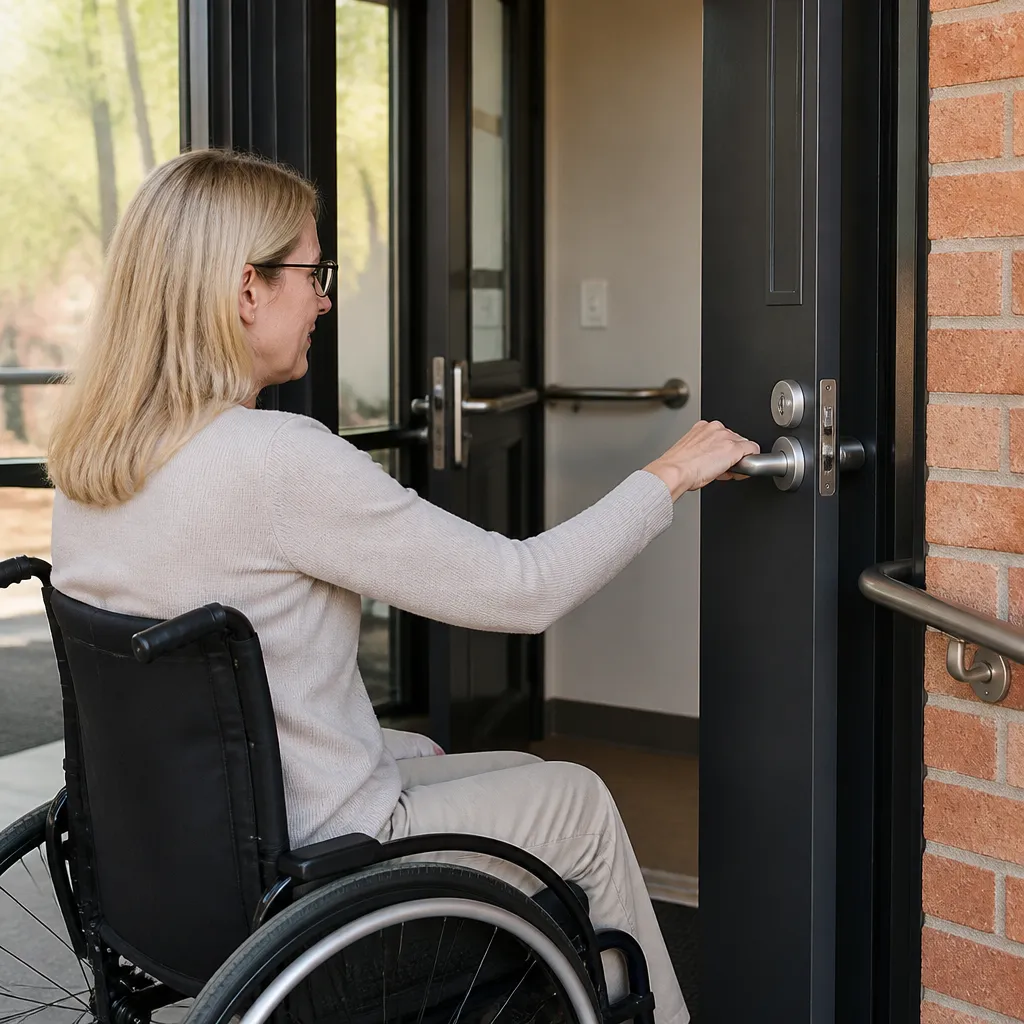
Context and Importance
With the State Pension age set to rise from 66 to 67 between April 2026 and April 2028, and the average retirement age nearing 66 years, the need for age-friendly office environments is becoming increasingly pressing. Sarah Pasquall, Creative Lead at Interaction, emphasizes the importance of considering physical challenges in workplace design, noting that many modern spaces overlook the realities faced by older employees.
Accessing the Checklist
The Age-Inclusive Design Checklist is available for free download and is intended for landlords, employers, facilities teams, and fit-out specifiers. It serves as a valuable resource for creating inclusive workspaces that accommodate the evolving needs of employees throughout their careers.