
Embedding Wellness in Workplace Policies: Insights from Diego Carrete
Written with artificial intelligence.

Diego Carrete, chief wellness officer at First Abu Dhabi Bank, emphasizes the importance of integrating wellness into organizational policies. Speaking at the Global Wellness Summit, he argues that sustainable wellness initiatives depend on systemic changes rather than isolated efforts.
The Need for Systemic Change in Workplace Wellness
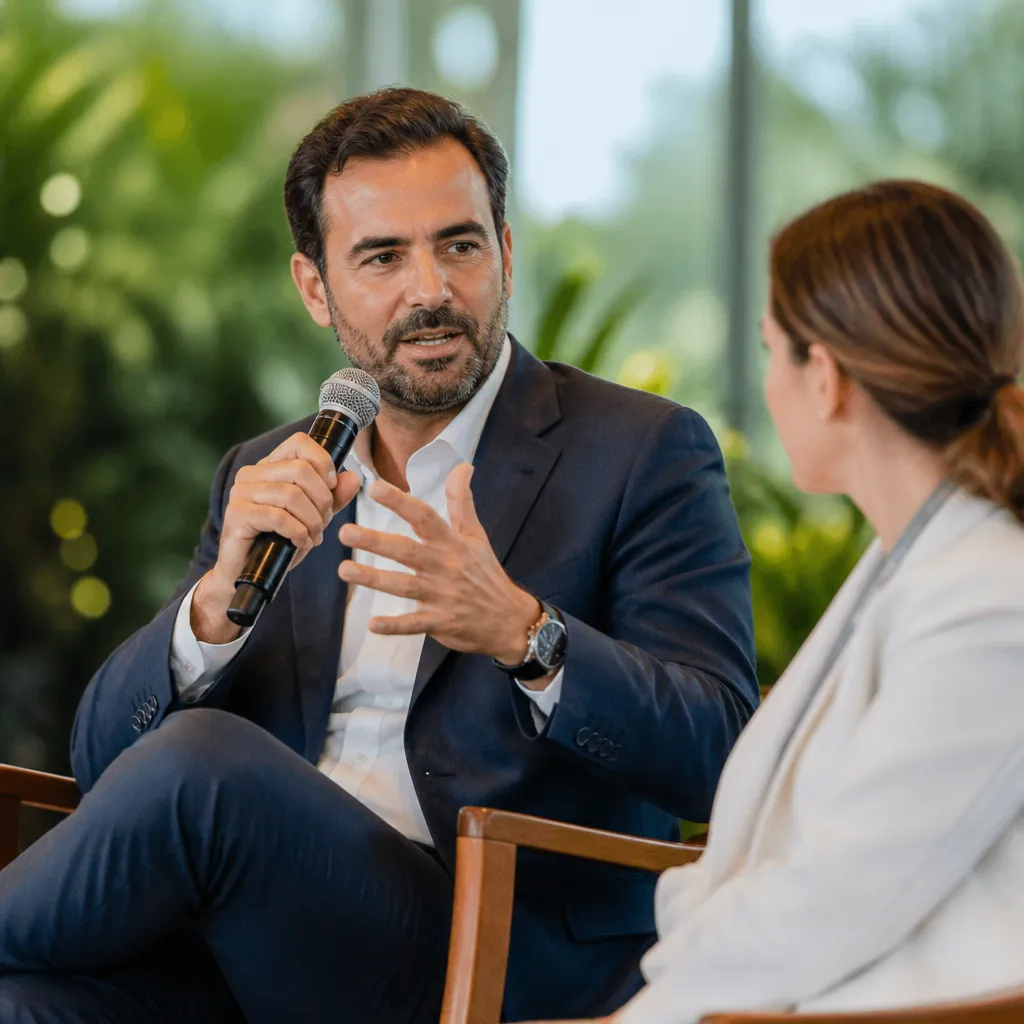
At the Global Wellness Summit in Phuket, Thailand, Diego Carrete, chief wellness officer at First Abu Dhabi Bank (FAB), stressed that wellness must be embedded into workplace policies for long-term improvement. He argued that significant advancements in employee health and engagement hinge on establishing robust systems rather than relying on individual initiatives or champions.
Carrete highlighted that many people spend an average of 9.6 years in poor health, largely due to workplace conditions. He drew an analogy between workplace wellness and air conditioning: both often go unnoticed when functioning well, but become painfully apparent when they fail.
Practical Frameworks for Wellness Initiatives
During his presentation, Carrete introduced three practical tools that organizations can implement without extensive financial resources:
1. Four-Stage Framework: This process involves moving wellness initiatives through four stages: initiative, program, policy, and infrastructure. Each stage requires increasing levels of commitment and formalization. 2. Science, Art, and Soul: This framework encourages organizations to base decisions on scientific evidence, make healthy choices the default through thoughtful design, and connect these choices to deeper organizational values. 3. Poster vs. Hammer Test: Carrete urged organizations to evaluate whether their wellness initiatives have a tangible impact or are merely for show, likening effective wellness efforts to the consistent, often unseen work illustrated in The Shawshank Redemption.
Carrete's vision is for employees to leave organizations healthier than when they joined, advocating for policies that support long-term wellbeing rather than short-term fixes. He noted that FAB has implemented one of the first standalone wellness policies in the banking sector, separate from health and safety, as a step toward systematic change.