
Mold and Heat Disrupt Pittsburgh-Area Schools: Health Risks for Students
Written with artificial intelligence.
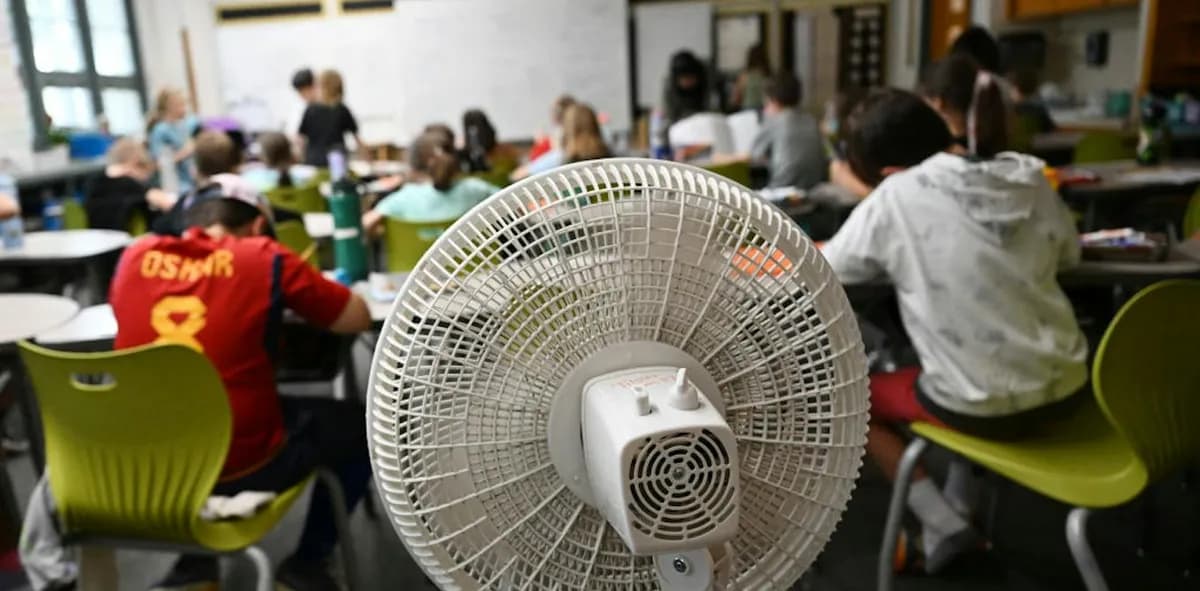
Pittsburgh-area schools have faced closures due to mold and extreme heat, impacting students' learning environments. The age of school buildings contributes to health hazards, with many lacking proper air conditioning and maintenance.
Introduction
This school year has already seen significant disruptions for students in southwestern Pennsylvania, primarily due to the condition of their school buildings. Mold has forced closures in at least four districts, while heat waves have led to remote learning for 35 schools in the Pittsburgh Public Schools district.
Health Risks from Aging Infrastructure
Older school buildings are susceptible to various environmental hazards such as mold, lead, and asbestos, which can adversely affect students' health and learning capabilities. For instance, Monessen City School District and others have had to delay or cancel in-person classes due to mold remediation. Meanwhile, ongoing asbestos abatement in Central Valley School District has students attending classes in potentially hazardous conditions.
The average age of a school building in Pennsylvania is about 70 years, significantly older than the national average, and the structures in Pittsburgh Public Schools average around 90 years old. This aging infrastructure raises serious health concerns, particularly regarding mold exposure, which can lead to respiratory issues, skin irritations, and long-term effects like chronic bronchitis.
Heat-Related Learning Challenges
In September 2026, a heat wave swept through Pennsylvania, with temperatures reaching the 90s in the Pittsburgh area. The Pittsburgh Public Schools implemented an extreme heat protocol, transitioning to remote learning when classroom temperatures exceeded 90 degrees. High indoor temperatures can lead to heat exhaustion and impact students' ability to learn effectively, as studies show a direct correlation between rising temperatures and decreased academic performance.

Broader Environmental Hazards
In addition to mold and heat, many Pennsylvania schools may also contain lead from old paint and plumbing, as well as radon from natural gas seepage. Health experts emphasize that no level of lead is safe for children, with potential for significant neurological impacts. Asbestos presents additional risks, particularly in poorly maintained facilities. Schools are required to monitor and manage these hazards accordingly, yet many do not meet these standards.
Conclusion
The need for healthy indoor environments is crucial for student learning and well-being. As the issues of mold and heat disruptions illustrate, schools require immediate attention to improve conditions for students. Federal and state resources are available to assist schools in enhancing their indoor environments, but proactive measures must be taken to address these urgent health concerns.