
Enhancing Workplace Mental Health through Daily Practices
Written with artificial intelligence.
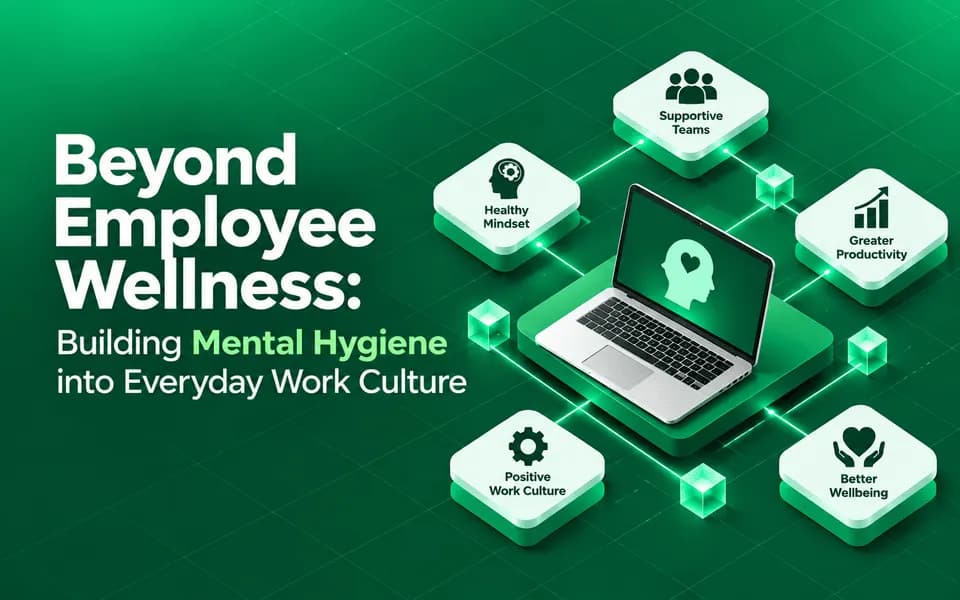
To foster a healthier work environment, the tech industry is urged to implement mental hygiene as a fundamental aspect of daily operations. This involves establishing realistic expectations, promoting personal boundaries, and ensuring supportive organizational structures.
The Importance of Mental Hygiene in the Workplace
In discussions among technology leaders regarding team support, wellness programs often take center stage. While initiatives like employee assistance portals and meditation apps are beneficial, they must be complemented by a focus on the everyday realities of the modern workplace. The tech industry's fast-paced environment demands that organizations integrate mental hygiene into their daily culture to effectively support their workforce.
Understanding Mental Hygiene
Mental hygiene encompasses the habits and conditions that safeguard mental health proactively. Similar to physical hygiene, which is practiced without waiting for illness, mental hygiene involves setting realistic deadlines, ensuring regular breaks, and fostering an atmosphere where employees feel supported. This approach operates on two levels:
- Individual Layer: Employees should establish personal boundaries, recognize when to disconnect from work, and manage work communications effectively.
- Organizational Layer: Companies need to create workflows and meeting cultures that enable these individual boundaries to be respected and upheld.
Moving from Reactive to Proactive Support
Current workplace interventions often focus on reactive counseling rather than proactive measures. A study from 2022 highlights the need for a shift towards preventive workplace policies that support mental wellbeing before issues arise. The World Health Organization’s 2022 guidelines emphasize the importance of addressing working conditions, such as workload and managerial training, to foster a healthier work environment.

Practical Steps for Implementation
Creating a mentally healthier workplace does not necessitate extravagant measures. Instead, it can be achieved through simple practices:
- Clarifying Priorities: Teams should have clear expectations about deadlines and deliverables, helping to manage stress during busy periods.
- Setting Communication Norms: Organizations should define what constitutes urgent communication and establish reasonable response times to reduce after-hours pressure.
- Encouraging Recovery Time: Teams should be encouraged to take breaks and disconnect from work, fostering a culture that values mental health.
Managers play a crucial role in observing and addressing changes in employee behavior, which can signal the need for support. Training in Mental Health First Aid (MHFA) can equip managers with the tools to notice subtle shifts and engage in supportive conversations, fostering a more empathetic workplace.
Building a robust wellbeing system is a gradual process that demands commitment and resources. Organizations can start by increasing awareness of available Employee Assistance Programs (EAPs) and ensuring employees feel secure in utilizing these resources. Ultimately, the goal is to create a workplace environment where thriving is normalized, and mental hygiene is woven into the fabric of daily operations.