
Effective Exercises for Back Pain Relief
Written with artificial intelligence.
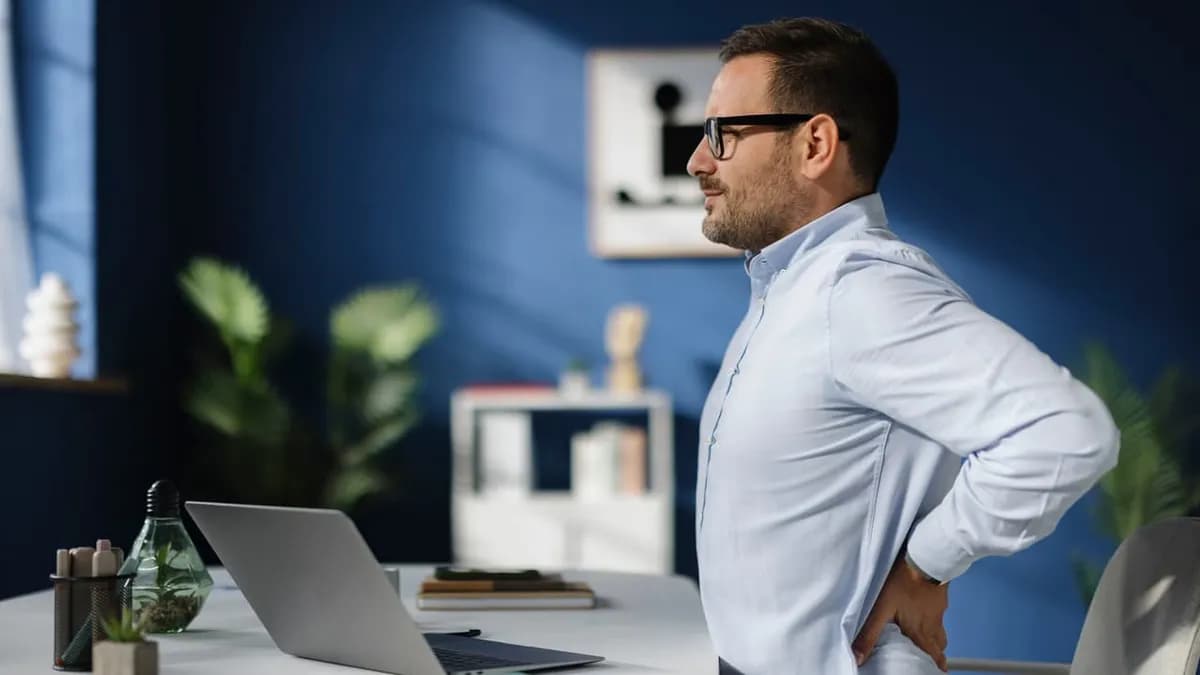
Research indicates that ergonomic furniture may not effectively alleviate back pain. Instead, regular physical activity and specific exercises can provide better relief and prevent recurrence of discomfort.
The Limitations of Ergonomic Furniture
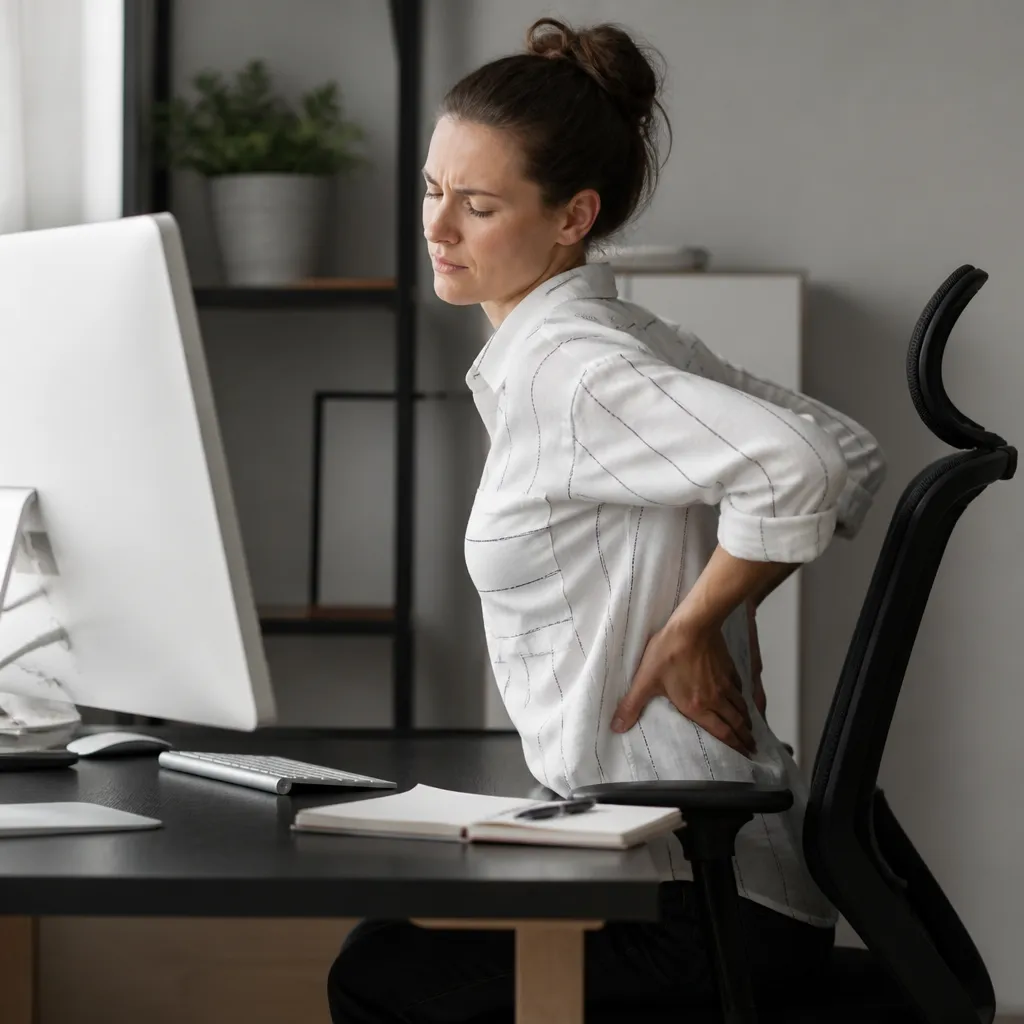
Despite investing in ergonomic chairs and desks, many individuals still experience significant back pain. A review by researchers at the University of Technology Sydney found that such adaptations offered minimal benefits for pain or recovery. Instead, they emphasized the effectiveness of exercise in alleviating discomfort.
Recommended Exercises to Combat Back Pain
To counteract back pain, regular movement and specific exercises can be significantly beneficial. Here are some recommended practices:
- Position Changes: Ensure to change positions every 30 minutes. Stand for calls or walk to colleagues rather than emailing.
- Resistance Band Row: This strengthens muscles around the shoulder blades. Tie a band to a door handle, sit at chest height, pull the band towards you with elbows tucked, and repeat for 10-12 reps.
- Pelvic Tilts: Perform 5-10 pelvic tilts each morning and afternoon to relieve compression in the lumbar spine.
- Dumb Waiter Exercise: Rotate your hands externally from a bent elbow position to stretch chest muscles. Do this 10 times, morning and afternoon.
- Cat-Cow Stretch: Emphasize spinal mobility by alternating between rounding and extending the spine while on all fours, doing five repetitions each morning.
- Planks: Strengthen core muscles to support your spine by holding a plank for 5-10 seconds.
- Sit-to-Stand Squats: Build lower body strength by performing squats from a chair.
- Hip Flexibility: Sit on the floor and drop your knees from side to side to enhance hip flexibility.
Breathing Techniques
Incorporating proper breathing techniques can also alleviate back pain. Focus on diaphragmatic breathing by placing one hand on your chest and the other on your belly, ensuring the lower hand rises while breathing through your nose.
Engaging in these exercises and practices can lead to better back health and overall wellness, moving beyond the reliance on ergonomic furniture.