
Controversy Surrounds Proposed Haitian Creole Courses in Dominican Schools
Written with artificial intelligence.
A recent bill in the Dominican Republic aiming to require public schools to teach Haitian Creole has sparked significant backlash, reflecting longstanding tensions between Dominican and Haitian communities. While many oppose the initiative due to nationalistic sentiments, some citizens advocate for the cultural and practical benefits of learning Creole.
Background on the Bill
In early September 2026, a Dominican lawmaker introduced a proposal to mandate Haitian Creole courses in all public schools. The bill has faced immediate and intense opposition, primarily rooted in concerns about national sovereignty and fears of cultural unification with Haiti. Many critics point to historical tensions from the 22-year period of Haitian occupation in the 19th century, which still influences Dominican national identity today.
National Sentiments and Opposition
The backlash against the bill is fueled by the perception of Haitian immigration as a threat, with estimates suggesting the Haitian immigrant population in the Dominican Republic ranges from 500,000 to several million. This has often been characterized as a nationalistic narrative of invasion. Despite this, the presence of the Creole language in the Dominican Republic is significant, having been maintained by Haitian migrants for centuries.
Support for the Proposal
In contrast to the significant public opposition, there exists a growing support for teaching Haitian Creole among some sectors of the Dominican population. For instance, Julio César Beltré, the deputy who proposed the bill, argues that knowledge of Creole would provide practical advantages in various sectors where Haitians and Dominicans interact. Some citizens have expressed their support, recognizing the need to understand their neighbors better.
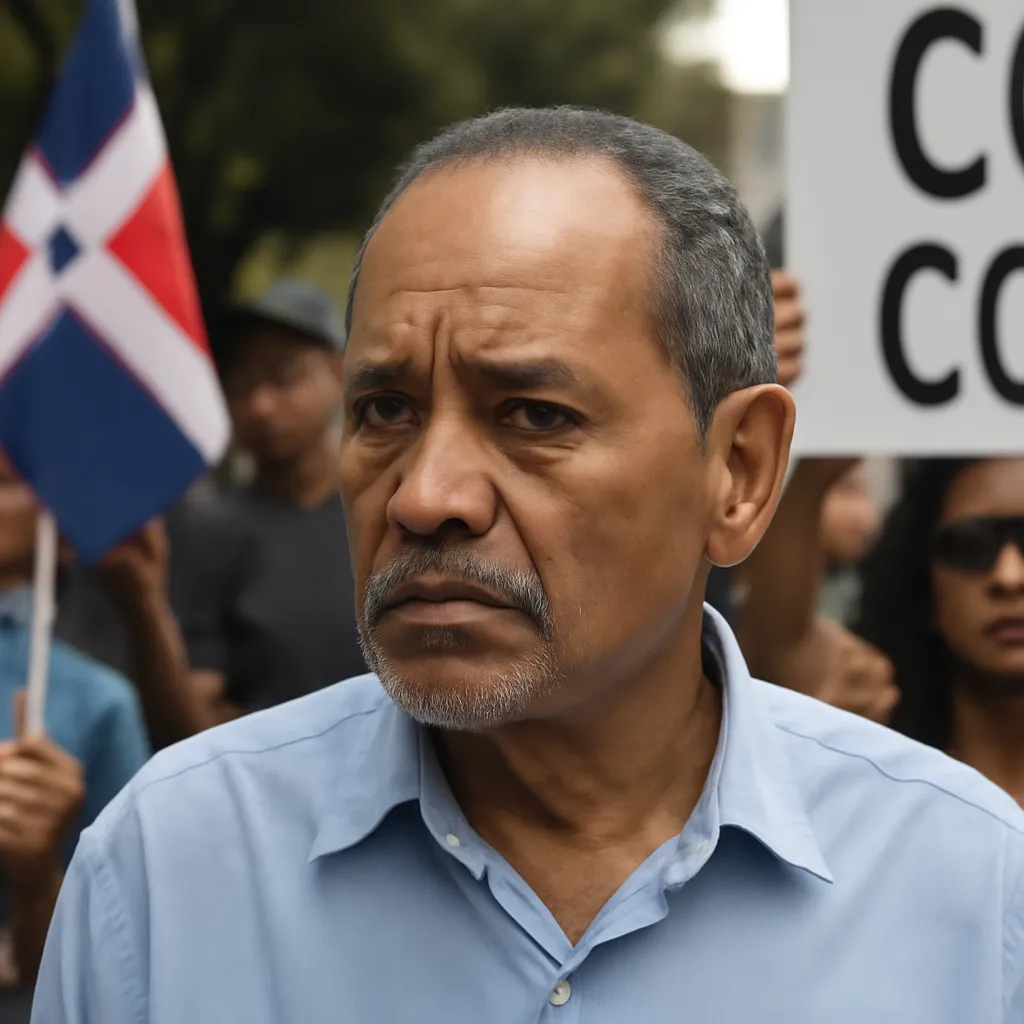
Language Education Initiatives
Despite the political challenges, various Dominican organizations have historically offered Creole language courses. Notably, the Universidad Autónoma de Santo Domingo has been providing Creole courses for over a decade. Additionally, the Dominican government and private institutions have developed training programs aimed at bridging the language gap between Haitians and Dominicans.
Conclusion
While the future of the bill remains uncertain, it has sparked an essential dialogue about education and cultural relations in the Dominican Republic. The proposal highlights the complexities of identity, immigration, and language in a nation grappling with its historical narratives and contemporary realities.