
AI's Role in Enhancing Workplace Wellbeing Discussed by Experts
Written with artificial intelligence.

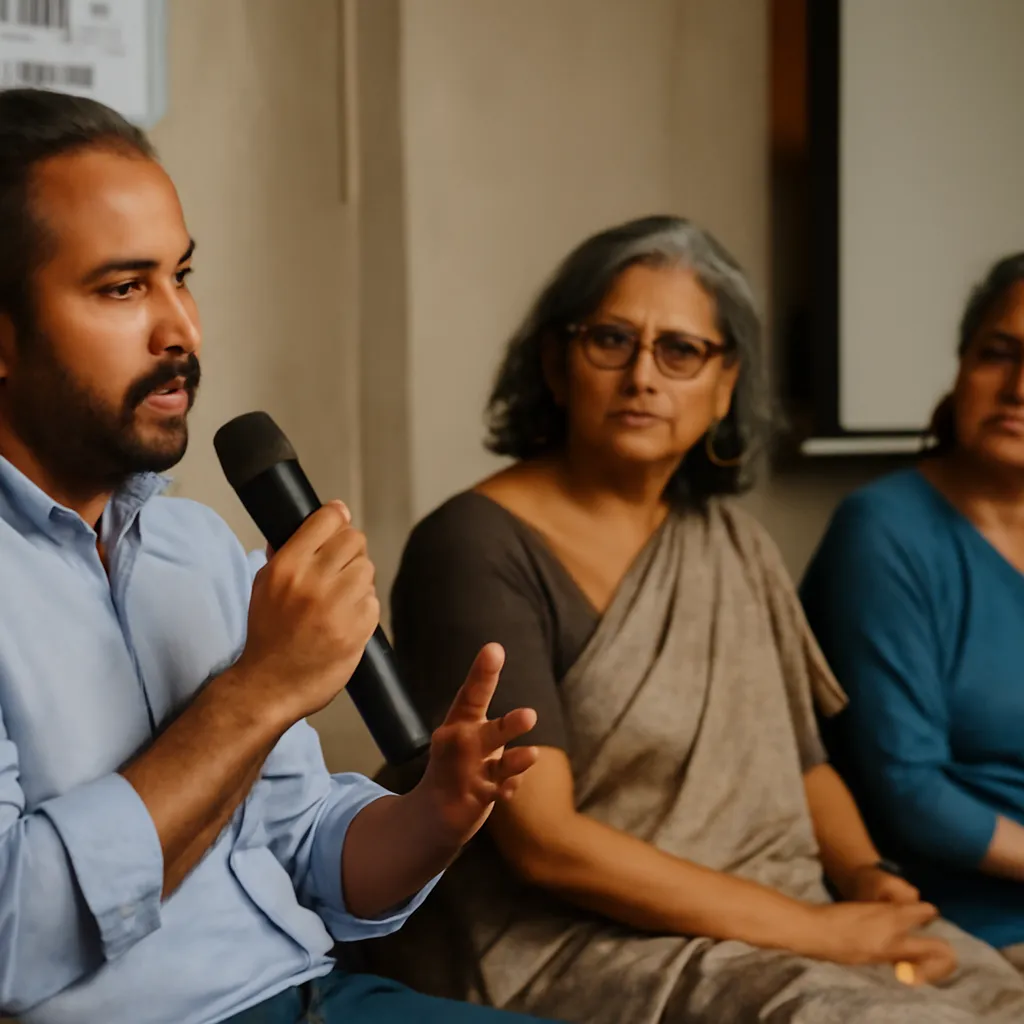
Experts at a recent event in Hyderabad emphasized the potential of artificial intelligence (AI) to support employee mental health while stressing the importance of human connections and supportive leadership. The discussions, held in honor of World Mental Health Day, highlighted that AI could provide timely emotional support, but must complement traditional human resources.
AI and Emotional Wellbeing
During discussions in Hyderabad commemorating World Mental Health Day on October 10, experts explored how artificial intelligence (AI) can aid employees in managing workplace stress. They emphasized that while AI offers innovative support, essential elements such as supportive leadership and human connections remain crucial for maintaining mental health at work.
Menthra, an emotional wellbeing platform linked with NIMHANS, showcased how AI can serve as a companion for employees. Dinakara Nagalla, the platform's founder and CEO, explained that Menthra allows employees to address their emotional difficulties at their own pace and in their preferred language, with the option to consult a human expert as needed. This system is designed to provide timely support, bypassing the delays often associated with scheduling appointments.
The Importance of Human Support
Nagalla highlighted that, despite technological advancements, it is vital to help individuals manage the effects of these changes on their lives. He advocated for using AI to enhance life, rather than replacing human capabilities.
Employer branding expert Navneet Oberoi pointed out that organizations must align their workplace practices with their claims regarding employee wellbeing. Employees' firsthand experiences of support are more impactful than corporate messaging on social media.
Continuous Focus on Wellbeing
Shilpa, a digital marketing expert, added that regular attention to employee wellbeing is necessary. She recommended initiatives such as hybrid work arrangements, health sessions, and yoga programs to help staff manage stress and develop healthier habits. Leaders are encouraged to model the wellness practices they promote within their teams, including fitness and taking planned time off.