
AI Integration in Workplace Wellness Initiatives
Written with artificial intelligence.
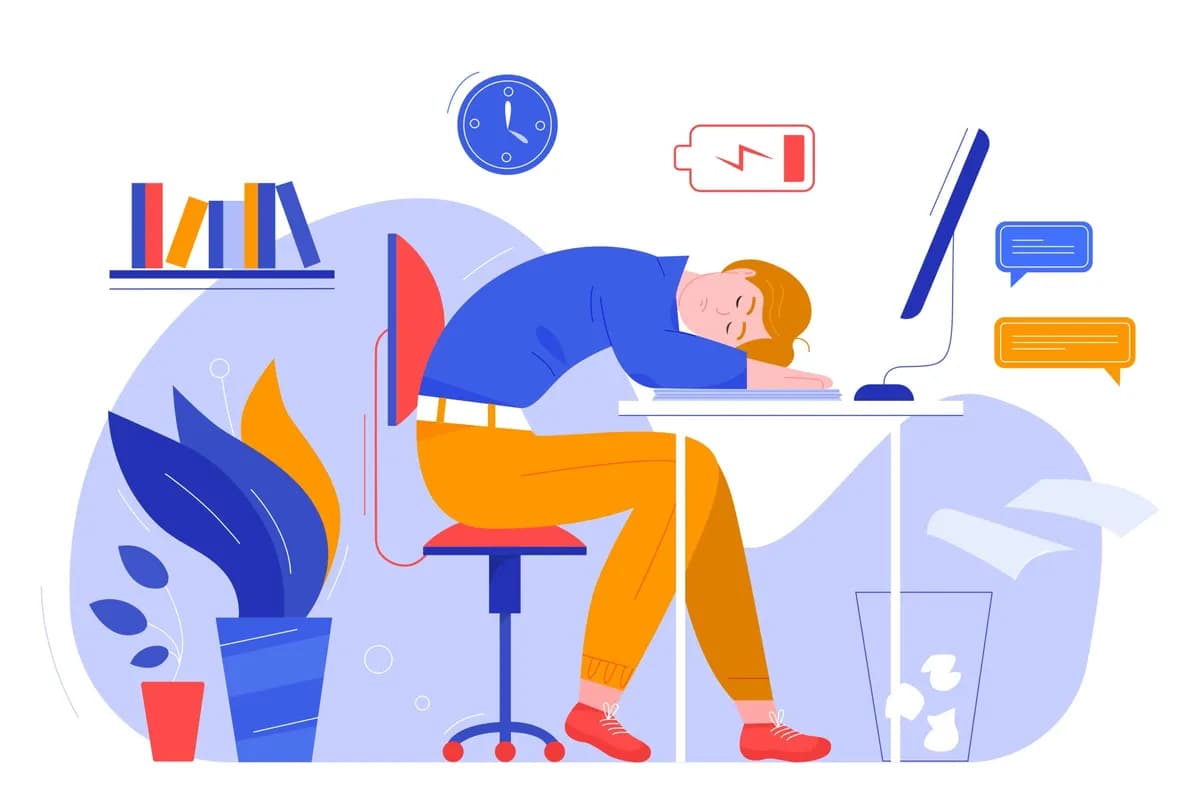
Amid a decline in corporate wellness programs, startups are leveraging AI to enhance employee health. Innovations like Deep Care's Isa and Unmind's Nova aim to promote physical activity and mental health support in the workplace, although concerns about automation's impact on human behavior persist.
Declining Corporate Wellness Programs
In recent years, many companies have reduced their workplace wellness offerings, with notable examples such as Nike eliminating its annual wellness week. This shift occurs at a time when cardiovascular diseases and mental health issues are critical global health challenges. Research indicates that improving employee well-being could contribute up to $11.7 trillion in economic value worldwide.
The Role of AI in Wellbeing
At the Wellbeing at Work (WAW) summit in New York, industry leaders discussed the integration of AI in workplace wellness. Mark Rix, CEO of Wellbeing at Work, emphasized that AI has the potential to enhance employee performance, facilitate recruitment, and support skill development. However, he cautioned that professionals must adapt to these changes, stating, "It won’t be AI that replaces you, it will be somebody that understands AI that replaces you."
Innovative Startups Leading the Charge
Several startups are pioneering AI technologies to improve employee health. For instance, Deep Care has introduced Isa, an AI-powered health assistant that monitors employee habits such as posture and hydration. By prompting users to make small adjustments, Isa aims to counteract the negative effects of sedentary behavior. Meanwhile, DocHQ offers an AI-driven skin search engine and physiotherapy programs that help employees manage musculoskeletal issues, contributing to reduced absenteeism.

Concerns About Automation and Mental Health
While AI presents opportunities for enhancing workplace wellness, experts like Jeanette Bronée warn against over-reliance on technology to manage human behavior. Concerns include the potential for AI to micromanage employees' routines. In the mental health arena, AI platforms like Unmind's Nova provide confidential support but also face scrutiny for the risks of misinformation and inaccuracies.
Despite these concerns, proponents argue that AI can fill gaps in mental health support, particularly given the shortage of mental health professionals. Safeguards are being implemented to ensure the reliability of AI outputs, aiding organizations in supporting employee well-being effectively while maintaining the essential human element of care.